
- Resources
- /
- Email Security Basics: A Closer Look at DMARC
Email Security Basics: A Closer Look at DMARC
Webinar·49 min watch
In Episode 2 of Mailprotector’s Email Security Basics webinar series, Vice President of Partner Success, Mark Glowacz, takes MSPs through a complete, practical guide to DMARC—Domain-based Message Authentication, Reporting, and Conformance.
You’ll learn what DMARC does, how it differs from SPF and DKIM, and why it’s essential for preventing domain spoofing, phishing, and email impersonation attacks. The session explains how DMARC works—verifying that emails pass both SPF and DKIM checks before applying a domain owner’s policy—and how those policies (none, quarantine, reject) impact email delivery.
Mark walks through how to set up DMARC, including SPF/DKIM prerequisites, TXT record configuration, and common mistakes to avoid. You’ll discover how to interpret DMARC reports to identify authentication failures, monitor domain abuse, and fine-tune policies for optimal deliverability. The webinar also covers DMARC best practices for MSPs managing multiple domains, plus how to communicate the value and necessity of DMARC to clients.
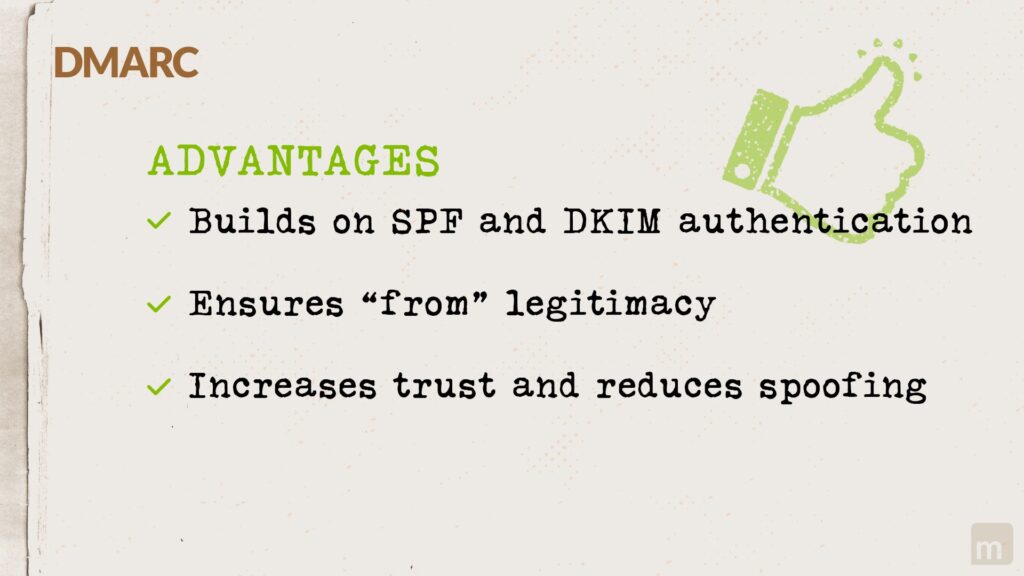
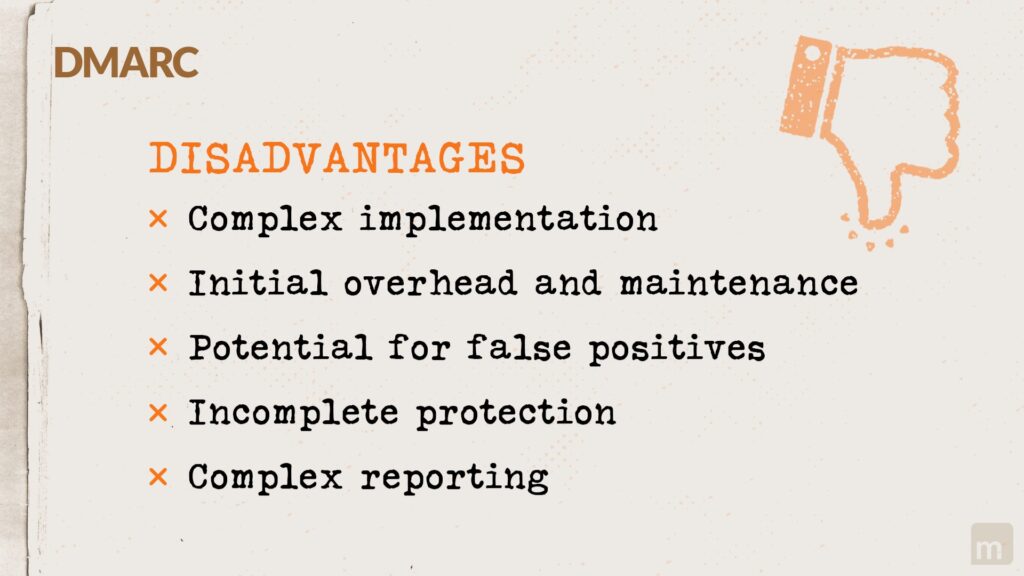
By the end of this episode, you’ll understand the benefits of DMARC, including stronger protection against email-based threats, improved sender reputation, and better inbox placement. You’ll also know how DMARC fits into the future of email authentication and how it can help reduce certain types of spam by blocking unauthorized senders.
If you want to safeguard your domain, protect your customers, and stay ahead of evolving email security requirements, this session is your actionable roadmap.
Ready to see what email security looks like when it's fixed?
Join thousands of MSPs who protect their clients with Mailprotector.