


















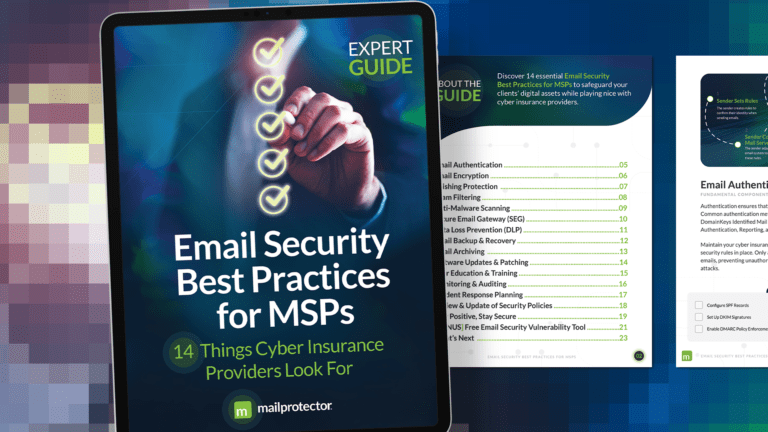






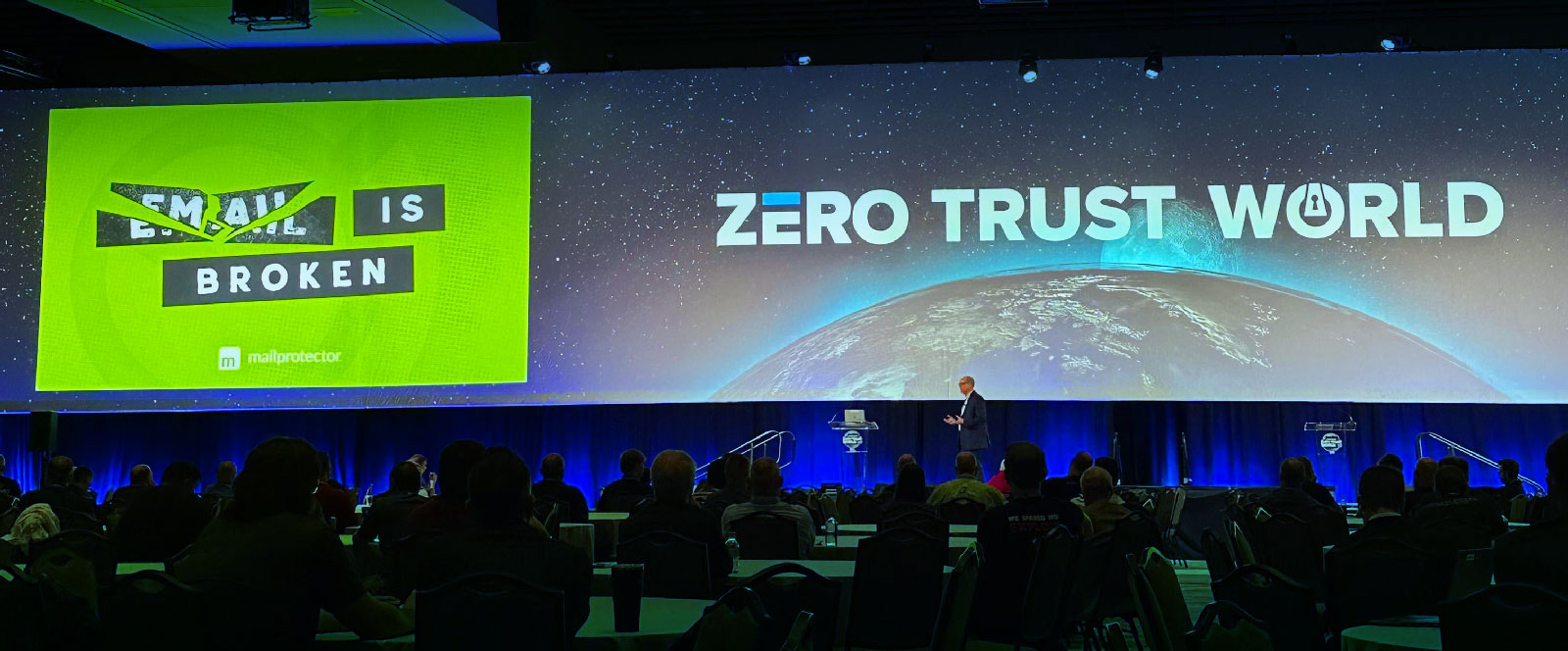
David Setzer, Founder & CEO of Mailprotector, breaks down why traditional email security fails and what it takes to rebuild it with zero trust.
Email remains the most exploited attack vector in cybersecurity, yet the way most organizations secure it has not fundamentally changed. Traditional email security still relies on a flawed model: trust messages first, then try to filter out what looks dangerous.
That approach no longer works in a threat landscape shaped by phishing, spoofing, account compromise, and constantly evolving social engineering tactics. To reduce risk, organizations need to stop treating the inbox as trusted by default and start applying zero trust principles directly to email.
Why Traditional Email Security Falls Short
Email was originally built for a much smaller, more trusted environment. Today, it operates across an open internet filled with unknown senders, automated threats, and malicious actors who know exactly how to exploit trust-based systems.
The result is a growing gap between how email works and how it needs to be secured. Security teams are left managing inbox clutter, phishing attempts, and reactive controls that place too much responsibility on end users.
- Email continues to be one of the primary entry points for cyberattacks
- Users are often expected to identify malicious messages on their own
- Inbox noise makes real threats harder to spot
- Rule-based filtering adds complexity without fixing the root issue
What Zero Trust Email Security Changes
Zero trust email security flips the model. Instead of trusting messages by default and reacting after they arrive, it starts from the assumption that every message is untrusted until it can be verified.
This shift helps organizations reduce reliance on human judgment, improve visibility into message behavior, and create a more secure, more manageable inbox experience.
What You’ll Learn in This Session
- Why email remains a top attack vector
- How trust-based email systems create security gaps
- Why user awareness training alone is not enough
- The hidden risk of inbox noise and alert fatigue
- How zero trust principles apply directly to email security
- What a modern edge-to-inbox approach looks like in practice
Who Should Watch
- Managed service providers
- IT leaders and security teams
- Microsoft 365 administrators
- Organizations looking to reduce phishing and email-based risk
If you are rethinking how your organization approaches email security, this session offers a clear look at why the current model falls short and what a zero trust approach can do differently.
Learn more about how zero trust email security works in practice